

The online gambling space in Europe has matured fast, yet confusion still follows many players into signup pages that look convincing but lack real credibility. Visual polish, loud promotions, and inflated claims are easy to manufacture, while legal approval is not. In 2026, distinguishing a lawful casino from a questionable operator demands structured observation rather than impulse clicks. This is where verified information sources such as European online casinos become valuable reference points for players comparing platforms that claim EU approval. Legitimate operators do not hide behind vague promises. They operate within visible regulatory limits, submit to oversight, and publish verifiable facts. Knowing what to examine first saves time, money, and frustration, especially as European regulators tighten expectations for digital gambling businesses.
 A license badge alone proves very little. Fraudulent platforms frequently display copied regulator logos without permission or context. A legitimate EU-licensed casino will clearly state the issuing authority, such as the Malta Gaming Authority, the Swedish Gambling Authority, or the Gibraltar Regulatory Authority, along with an official license number. That number should match public regulator records and show active status. Players should also confirm whether the license applies to the specific domain they are using. Some operators hold approval for one brand but operate mirror sites without authorization. Clear disclosure pages, readable legal sections, and consistent operator names across documents signal compliance rather than decoration.
EU regulators require specific player safeguards, but serious operators go further than baseline obligations. Legitimate casinos publish responsible gambling tools such as deposit limits, session timers, and account exclusion options in visible areas of the site. These features should be functional, not symbolic. Payment protection also matters. Reputable platforms separate player balances from operating funds and explain this structure in their terms. If protection language is vague or hidden deep within policy pages, caution is appropriate. Clear rules show intent to operate long-term rather than extract quick deposits.

A large game count alone does not equal legitimacy. What matters is whether titles come from recognized software providers approved for EU distribution. Licensed casinos work with studios whose games are tested by independent laboratories for fairness and payout accuracy. Players should look for provider names listed openly and verify that demo modes function correctly. Broken demos or missing information often indicate copied game files rather than approved integrations. A lawful platform treats its game catalogue as regulated content, not filler material added to inflate numbers.
EU-licensed casinos support payment rails commonly used across Europe, including SEPA bank transfers, trusted e-wallets, and regulated card processors. Clear withdrawal rules, published processing times, and transparent fee policies are strong indicators of legitimacy. Warning signs include inconsistent payout explanations, unexplained verification delays, or terms that allow the operator to suspend withdrawals without defined reasons. Reliable casinos outline identity checks upfront and apply them consistently. Payment clarity reflects operational discipline and regulatory awareness.
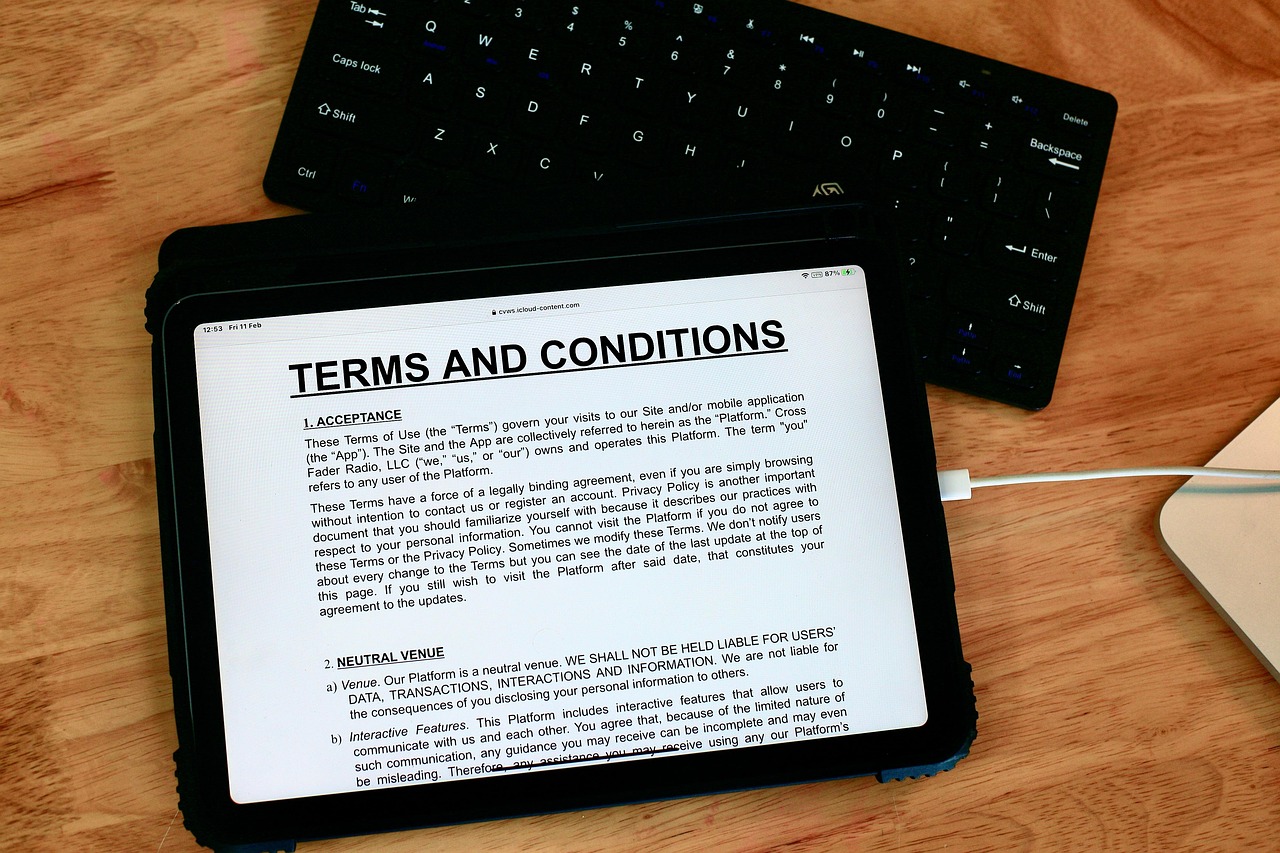
Lengthy terms are not the problem; unreadable ones are. Legitimate EU casinos write policies that explain rights and obligations without excessive legal fog. Key sections covering bonuses, withdrawals, and account closures should use direct language and consistent definitions. Players should pay attention to conflict resolution clauses and regulator contact details. Lawful operators provide paths for dispute escalation through recognized authorities. If policies feel intentionally confusing or contradictory, the platform likely benefits from that confusion.
Identifying a legitimate EU-licensed online casino in 2026 requires attention to structure rather than surface appeal. Licensing verification, player protection depth, approved game sourcing, transparent payment systems, and readable terms together form a reliable assessment framework. Platforms that meet these standards operate with accountability and long-term intent. Players who apply these five checks consistently reduce exposure to unreliable operators and make informed choices grounded in regulation rather than marketing noise.…